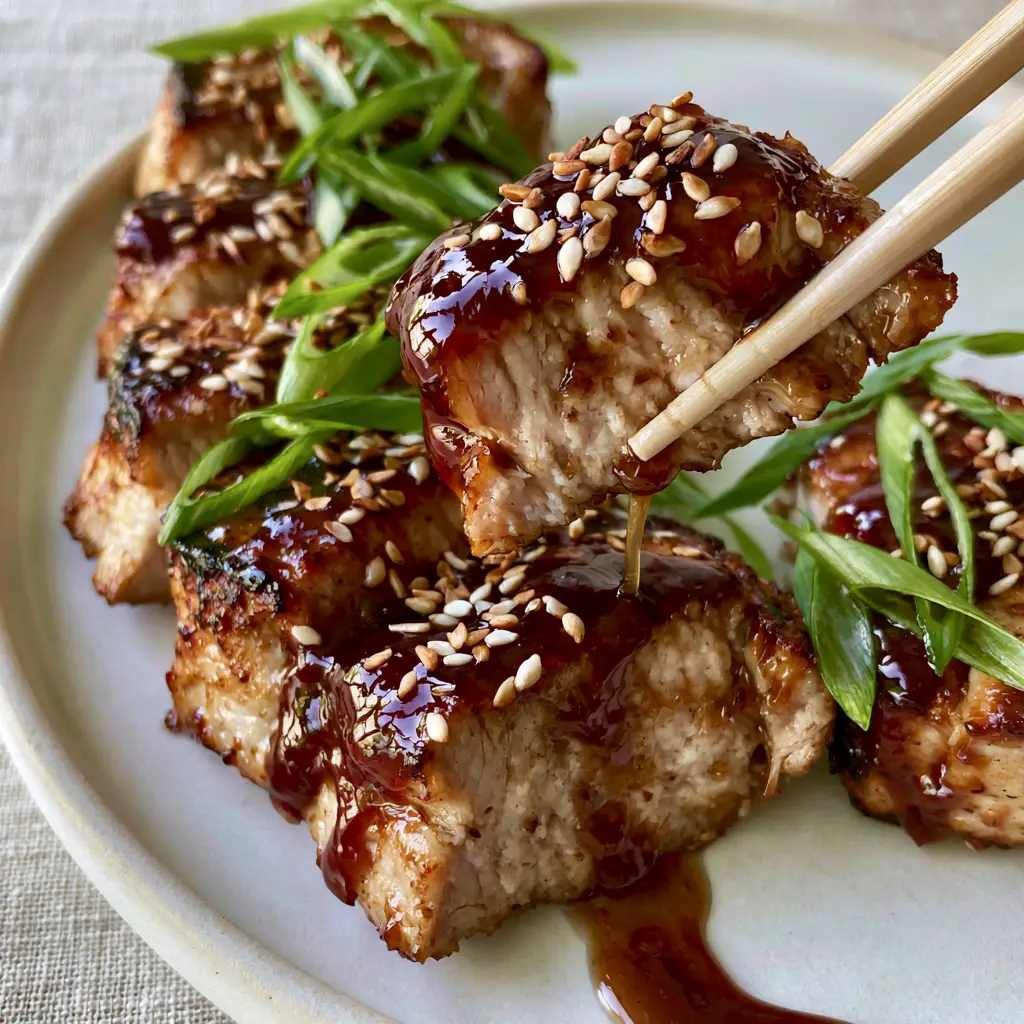
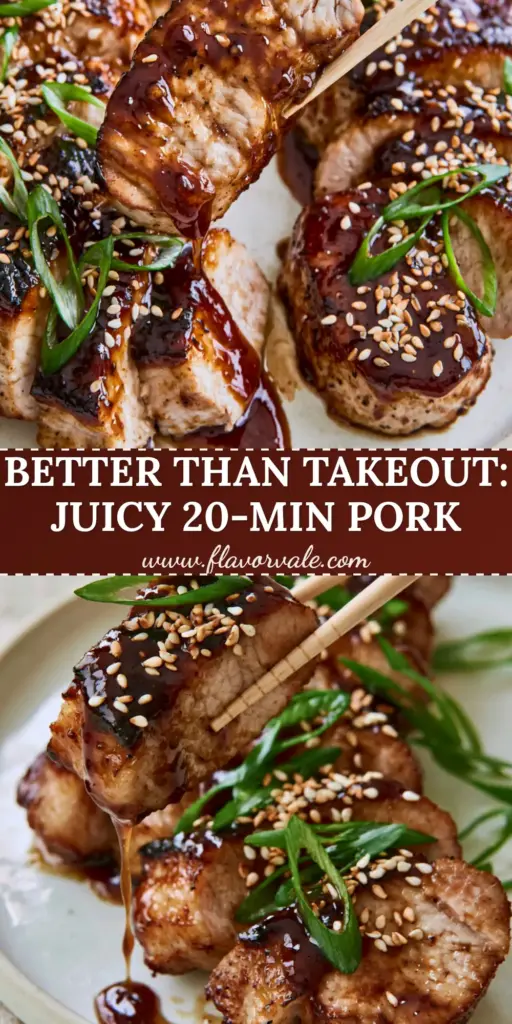
When it comes to mastering Chinese Pork Loin Recipes, the secret lies in achieving that elusive balance between a shattering golden sear and a mahogany glaze that clings to every crevice. Imagine a minimalist off-white ceramic plate where juicy pork medallions sit atop a bed of fluffy rice, their edges crisped to perfection. This recipe isn’t just about flavor; it’s a visual masterpiece featuring vibrant green scallions and toasted sesame seeds that catch the light, mirroring the professional aesthetic of a high-end bistro.
The beauty of this dish is the interplay of textures—the snap of the scallions against the tender, juicy center of the pork. As you lift a piece with your light-colored wooden chopsticks, you’ll see a trail of sticky, garlic-infused sauce dripping back onto the plate, promising a deep umami punch in every bite. Whether you are a seasoned home cook or just starting your culinary journey, this method will transform a humble pork loin into a restaurant-quality centerpiece.
Why These Honey Garlic Pork Medallions Are a Weeknight Game Changer
- Unrivaled Texture: We use a high-heat searing technique to create golden-brown edges while maintaining a succulent, tender interior that avoids the common pitfall of dry pork.
- The Mahogany Glaze: Our sauce is scientifically balanced with honey and soy to create a thick, glistening coating that looks exactly like a professional food photograph.
- Aromatic Depth: By specifically sautéing minced garlic bits until they are golden but not bitter, we layer the flavor directly into the meat’s crust.
- Visual Precision: This recipe incorporates the specific garnishes—scallions and sesame seeds—that provide the color contrast and crunch necessary for a 5-star presentation.
Pantry Staples for the Ultimate Mahogany Sticky Glaze
To achieve the results seen in the best Chinese Pork Loin Recipes, you need high-quality ingredients that work together to create an emulsified, sticky coating. Each component serves a functional purpose in the culinary chemistry of the dish.
Pork Loin Roast (1.5 lbs / 680g): Choose a center-cut loin for uniform medallions; this lean protein acts as the perfect canvas for our bold, savory-sweet sauce.
Honey (1/3 cup / 80ml): Honey is the primary thickening agent and provides the “glistening” quality mentioned in our visual blueprint, while also balancing the salt from the soy.
Soy Sauce (1/4 cup / 60ml): This provides the deep mahogany color and the essential umami base that defines traditional Chinese-inspired flavor profiles.
Fresh Garlic (4 cloves, minced): Sautéing these bits creates the “minced sautéed garlic bits” that add both texture and a punchy, aromatic finish to the glaze.
Rice Vinegar (1 tbsp / 15ml): A touch of acidity is required to cut through the sweetness of the honey, ensuring the sauce is complex rather than cloying.
Cornstarch (1 tsp / 5g): This “invisible” ingredient is vital for stabilizing the glaze, ensuring it reaches that “sticky” consistency that drips perfectly from a chopstick.
Toasted Sesame Oil (1 tsp / 5ml): Added at the very end, this oil provides an earthy aroma that complements the toasted white sesame seeds used for garnishing.
Vegetable Oil (2 tbsp / 30ml): A high-smoke point oil is non-negotiable for achieving the golden-brown seared edges without burning the meat.
Scallions & Sesame Seeds: These are your visual anchors; the scallions provide a “vibrant” green contrast, while the seeds add a professional, finished look.
Essential Kitchen Tools for Perfect Golden-Brown Searing
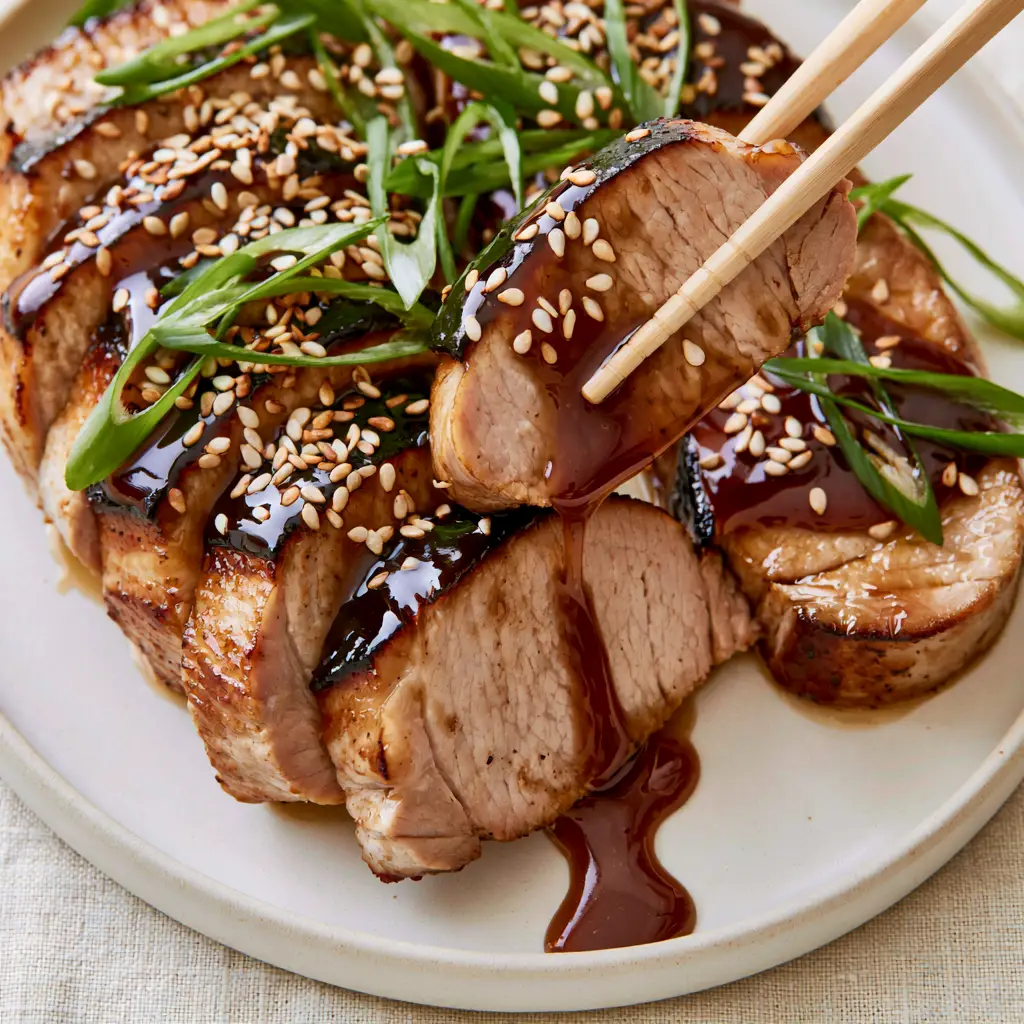
To replicate the high-resolution texture of our visual prompt, you must use tools that allow for even heat distribution. A heavy-bottomed cast iron or stainless steel skillet is preferred over non-stick to ensure a proper Maillard reaction (the browning process).
A sharp chef’s knife is also required to achieve “thinly sliced” scallions and uniform medallions. If your pork is sliced unevenly, some pieces will overcook while others remain raw. Finally, a pair of wooden chopsticks is not just for serving; they are the best tool for flipping medallions with precision during the glazing process.
A Masterclass in Searing Juicy Pork Loin Medallions
Preparing the Pork for Maximum Surface Area
Start by trimming any excess silver skin from the pork loin. Slice the loin into 1-inch (2.5cm) thick medallions, ensuring each piece is uniform in size for even cooking.
Pat the meat extremely dry with paper towels; moisture is the enemy of a good sear. Lightly season both sides with salt and white pepper, which provides a cleaner flavor profile for Chinese-style dishes than black pepper.
Achieving the Golden-Brown Sear
Heat your oil in the skillet over medium-high heat until it begins to shimmer. Place the medallions in the pan, ensuring you do not overcrowd them, which would cause the meat to steam rather than sear.
Cook for 3-4 minutes per side without moving them. You are looking for a visual cue: the edges should turn a deep, golden brown, and the meat should naturally release from the pan when it’s ready to flip.
Sautéing the Garlic Bits and Building the Glaze
Once the pork is seared, remove it from the pan and lower the heat to medium. Add the minced garlic to the residual oil and sauté for 30 seconds until fragrant and slightly golden.
Whisk together the honey, soy sauce, rice vinegar, and cornstarch in a small bowl. Pour this mixture into the skillet with the garlic bits, stirring constantly as it begins to bubble and thicken into a mahogany-colored syrup.
The Final Glaze and Presentation
Return the pork medallions to the skillet, tossing them gently to coat every inch in the glistening sauce. The sauce should be thick enough to leave a trail when you lift a piece.
Arrange the pork on a minimalist off-white plate over steamed white rice. Immediately scatter the toasted white sesame seeds and the thinly sliced fresh scallions over the top to capture that vibrant, natural aesthetic.
Expert Tips for Success
- Temperature Control: If your glaze thickens too quickly or looks “broken,” add a teaspoon of water to re-emulsify the honey and soy.
- The “Drip” Factor: To get that perfect sticky sauce drip, ensure the cornstarch slurry has fully cooked out for at least 60 seconds.
- Garlic Safety: Never add garlic to a screaming hot pan used for searing; it will burn in seconds and turn bitter. Always lower the heat first.
- Resting the Meat: Let the medallions rest in the glaze for 2 minutes before serving; this allows the juices to redistribute, ensuring a tender center.
Ensuring Leftover Success: Storage and Reheating Tips
If you have leftover Chinese Pork Loin Recipes, store them in an airtight container for up to 3 days. Because of the honey content, the glaze will firm up in the refrigerator, becoming almost jelly-like.
To reheat, avoid the microwave as it can turn the pork rubbery. Instead, place the medallions in a small skillet with a splash of water or chicken broth over low heat, covering the pan to let the steam gently loosen the glaze and warm the meat.
Perfect Pairings to Round Out Your Chinese-Inspired Feast
While steamed white rice is the traditional base, you can elevate this meal by serving it alongside teriyaki chicken fried rice for an extra boost of flavor. The sweetness of the pork also pairs beautifully with a crisp, acidic side like a crunchy cucumber salad.
If you enjoy the medallion format but want a different flavor profile for another night, try our savory pork medallions with gravy. For those who love the “sticky” texture but prefer different proteins, a classic Chinese-style pork preparation using tenderloin is a fantastic alternative.
Frequently Asked Questions
Yes, pork tenderloin works beautifully. However, tenderloin is smaller in diameter, so you will have more, smaller medallions. Reduce the searing time by 30-60 seconds per side.
The key is high-heat searing for a short duration. By browning the outside quickly and letting the medallions finish in the residual heat of the honey glaze, you preserve the internal juices.
Toasting sesame seeds releases their essential oils, providing a much deeper nutty flavor and a crunchier texture that contrasts perfectly with the sticky glaze.
The mahogany hue comes from the caramelization of the honey combined with the dark pigments in the soy sauce. Searing the pork first and adding those juices back to the pan also deepens the color.
The glaze requires a small amount of cornstarch and sufficient heat to activate it. Ensure the sauce reaches a simmer; if it’s still too thin, simmer for an extra minute to reduce the liquid.
The Ultimate Honey Garlic Pork Loin Recipe
Chinese Pork Loin Recipes: Sticky Honey Garlic Medallions
Ingredients
Equipment
Method
- Slice pork loin into 1-inch medallions and pat dry. Season lightly with salt.
- Heat oil in a skillet over medium-high heat. Sear medallions for 3-4 minutes per side until golden-brown edges form.
- Remove pork. Lower heat to medium, add minced garlic bits, and sauté for 30 seconds until fragrant.
- Whisk honey, soy, vinegar, and cornstarch; pour into pan. Stir until thick and mahogany-colored.
- Toss pork back in glaze. Serve over rice with scallions and sesame seeds.
Notes
Lower the heat before adding garlic to prevent it from turning bitter.
Closing & Call to Action
This recipe for Chinese Pork Loin Recipes proves that you don’t need a professional kitchen to produce a dish that is both visually stunning and packed with deep, complex flavors. By focusing on the searing technique and the balance of the mahogany glaze, you can create a meal that will impress any guest.
Did you manage to get that perfect sticky drip with your chopsticks? We’d love to hear how your dish turned out! Leave a comment below, sign up for our newsletter for more culinary deep-dives, and don’t forget to share your creations to Pinterest to inspire other home cooks!