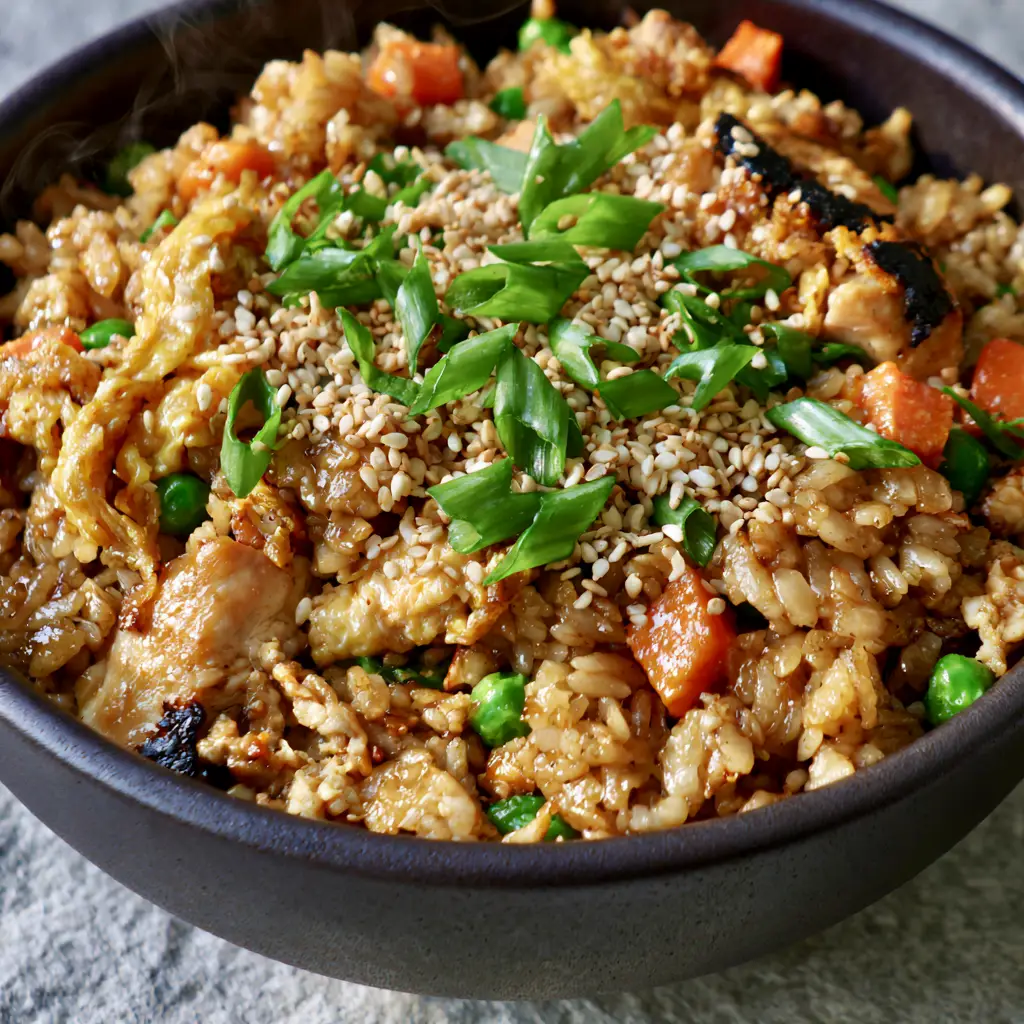
There is a specific, soul-satisfying magic that happens at a hibachi grill when the chef scrapes those golden grains across the piping hot steel. This chicken fried rice recipe captures that exact sensory experience, delivering a dish that looks as incredible as it tastes.
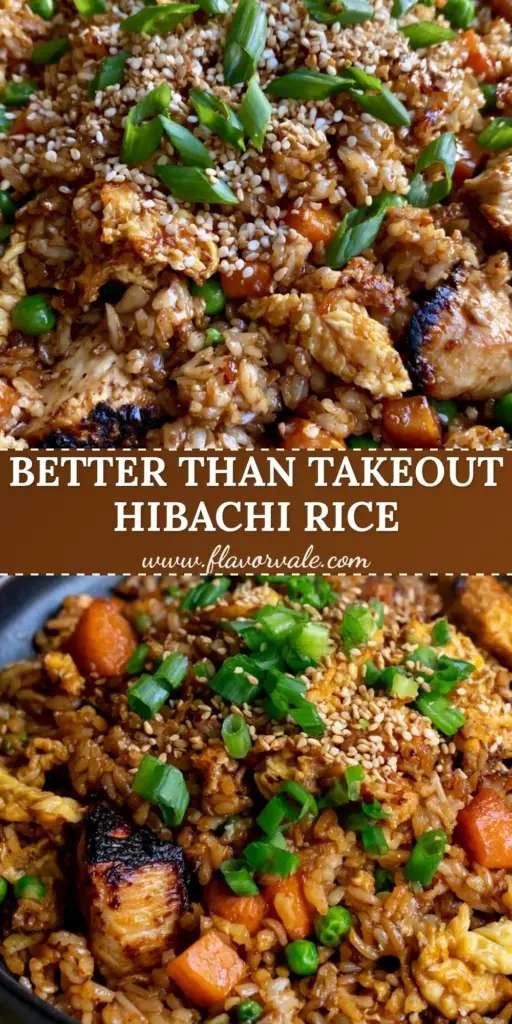
Imagine the aroma of ginger-infused steam rising from a bowl of individual, glistening grains of jasmine rice. Each bite offers a contrast of textures, from the crispy, seared edges of tender chicken breast to the soft, fluffy ribbons of golden scrambled eggs.
By focusing on high-heat techniques and a signature soy-ginger glaze, we can achieve that professional “breath of the wok” flavor in a home kitchen. This is not just a side dish; it is a masterclass in balance, color, and culinary precision that will redefine your weeknight dinner expectations.
Why This Hibachi-Style Masterpiece Works Every Time
- Perfectly Distinct Grains: Using chilled jasmine rice ensures that every grain stays separate and avoids the dreaded “mushy” texture common in homemade versions.
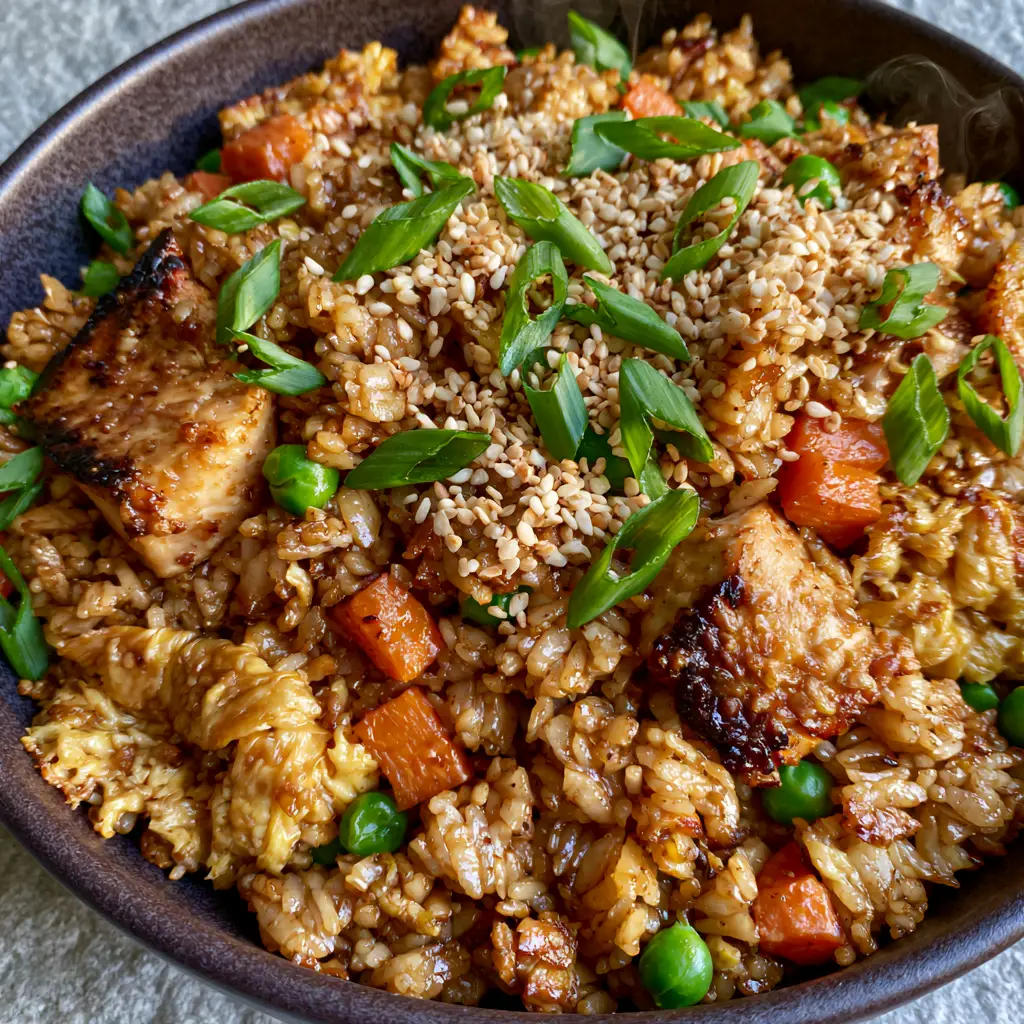
- The Maillard Reaction: We focus on achieving deep, golden seared edges on our chicken cubes, providing a savory depth that mimics professional hibachi grills.
- Vibrant Color Palette: The contrast between bright green peas, orange diced carrots, and flecks of emerald scallions makes this dish visually stunning.
- Glossy Umami Glaze: Our specific soy-ginger reduction coats every ingredient in a light, savory sheen without weighing down the textures.
- Professional Crunch: A final dusting of toasted white sesame seeds and cracked black pepper adds a sophisticated finish and subtle earthiness.
Essential Pantry Staples for a Perfect Sizzle
To achieve the visual and textural success seen in our photos, selecting the right ingredients is non-negotiable. Every component serves a structural and flavor-driven purpose in the final bowl.
Jasmine Rice: You will need 3 cups (600g) of cooked, chilled jasmine rice. Long-grain jasmine is ideal because its lower starch content allows grains to remain distinct during the frying process.
Chicken Breast: Use 1 lb (450g) of boneless, skinless chicken breast, cut into 1/2-inch (1.25cm) cubes. Cutting them uniformly ensures even searing and ensures they remain juicy while the exterior crisps up.
The “Holy Trinity” of Veggies: Combine 1/2 cup (75g) of diced carrots and 1/2 cup (75g) of frozen green peas. These provide the essential pops of orange and green that characterize classic chicken fried rice.
Aromatic Foundation: 2 cloves of garlic and 1 tbsp (15g) of fresh grated ginger are vital. These “invisible” ingredients provide the aromatic backbone that makes the steam smell like a high-end restaurant.
The Glossy Glaze: Mix 3 tbsp (45ml) of low-sodium soy sauce with 1 tsp (5ml) of toasted sesame oil and a pinch of sugar. This creates that specific oily sheen and savory-sweet balance described in our visual blueprint.
Scrambled Egg Ribbons: 2 large eggs, whisked thoroughly. We cook these separately to ensure they form beautiful, soft golden ribbons rather than disappearing into the rice.
Garnishes: 2 thinly sliced scallions and 1 tbsp (15g) of toasted white sesame seeds. These are not optional; they provide the bright green contrast and crunch required for the final aesthetic.
Foundational Fats: 2 tbsp (30ml) of high-smoke point oil (like avocado or peanut oil) and 1 tbsp (15g) of unsalted butter. The butter is the “secret” hibachi trick for that rich, golden-brown finish.
Tools Required for Culinary Success
While you don’t need a professional flat-top grill, the right tools will help you achieve the “crispy texture” and “visible steam” we are aiming for. A heavy-bottomed pan is your best friend here.
A 14-inch (35cm) carbon steel wok or a large cast-iron skillet is ideal for maintaining the high heat necessary for searing. You will also need a wide, flat spatula to toss the rice without breaking the grains.
Using a sharp chef’s knife is crucial for the “finely sliced” scallions and “diced tender carrots” mentioned in our guide. Precision cutting leads to professional presentation and even cooking times.
Step-by-Step Mastery: Achieving the Perfect Sear
Preparing the Rice Foundation
If you are cooking fresh rice, do it at least 6 hours in advance and spread it on a sheet pan to cool in the fridge. This dries the exterior of the grains, ensuring they “fry” in the oil rather than steaming.
Before you start the heat, break up any clumps of cold rice with clean hands. You want individual grains ready to hit the pan so they can be coated instantly in the soy ginger glaze.
Searing the Chicken for Maximum Texture
Heat 1 tbsp (15ml) of oil in your wok over medium-high heat until you see a faint wisp of smoke. Add the chicken breast cubes in a single layer, seasoned with cracked black pepper.
Let the chicken sit undisturbed for 2-3 minutes. You are looking for a deep, golden-brown crust to form on the edges—this is the “dark seared edges” requirement for authentic hibachi chicken fried rice.
Creating the Scrambled Egg Ribbons
Push the seared chicken to one side of the pan and melt a small knob of butter in the empty space. Pour in the whisked eggs and let them set for 30 seconds.
Gently fold the eggs to create large, fluffy ribbons. Once they are 80% cooked, remove both the chicken and eggs from the pan and set them aside to keep them tender.
Building the Aromatic Base and Vegetables
Add the remaining oil and butter to the pan. Toss in the diced carrots and stir-fry for 2 minutes until they begin to soften but still retain a slight “tender” bite.
Stir in the garlic, ginger, and green peas. The peas should turn a “bright green” almost instantly as they hit the hot fat, providing a stunning visual contrast against the orange carrots.
The Final Fry and Glazing
Turn the heat to high and add the cold jasmine rice to the wok. Toss vigorously to ensure every grain is coated in the butter and oil, achieving that “glistening” appearance.
Drizzle the soy ginger mixture over the rice and continue to toss. The rice should transform into a beautiful “golden-brown” color as the glaze caramelizes under the high heat.
Fold the seared chicken and egg ribbons back into the rice. Toss one final time to heat through, ensuring the “glossy soy ginger glaze” is evenly distributed across all components.
Expert Tips for Hibachi Excellence
- The Butter Trick: Always finish with a small pat of butter right before the rice comes off the heat. It provides a silky mouthfeel and that signature hibachi richness.
- Wok Hei at Home: Keep the pan moving! High heat is essential, but you must toss the rice constantly to prevent burning while developing those “crispy textures.”
- Don’t Overcrowd: If you are doubling this recipe, cook it in two batches. Overcrowding the pan lowers the temperature and leads to soggy rice.
- Cold Rice is King: Never use warm rice. If you are in a rush, spread fresh rice on a tray and put it in the freezer for 15 minutes to flash-chill it.
Storage, Reheating, and Meal Prep Advice
This chicken fried rice keeps remarkably well, making it a favorite for meal prep. Store leftovers in an airtight container in the refrigerator for up to 3 days.
To reheat, add a teaspoon of water or a tiny bit of butter to the rice before microwaving. This creates steam that refreshes the jasmine rice grains without making them greasy.
For the best results, reheat in a skillet over medium heat. This helps maintain the “seared edges” of the chicken and the “distinct grains” of the rice that make this dish so special.
What to Serve With Your Hibachi Bowl
While this is a complete meal on its own, you can create a full restaurant experience with the right pairings. A refreshing cucumber onion tomato salad provides a crisp, acidic contrast to the savory rice.
If you want to keep with the Asian-inspired theme, consider serving these alongside Thai-style ground pork skewers for a multi-protein feast.
For a lighter side, grilled veggie skewers add a charred, smoky element that complements the soy ginger glaze perfectly. If you’re looking for more quick dinners, check out our list of 30-minute meals for busy weeknights.
To wash it all down, a crispy moscato wine spritzer offers a sweet and bubbly finish that cuts through the rich umami of the fried rice.
Common Questions About Homemade Fried Rice
Yes! You can easily swap the chicken for extra firm tofu or simply double the vegetables and eggs for a delicious 30-minute vegetarian meal.
While not strictly traditional in all Asian cuisines, butter is the signature ingredient in hibachi-style fried rice. it provides the golden color and a rich, nutty flavor that defines the restaurant experience.
The secret is high heat and patience. Ensure your pan is very hot before adding the chicken, and let it sit undisturbed for at least 2 minutes to allow the Maillard reaction to create that savory crust.
Use an oil with a high smoke point like avocado, peanut, or canola oil. Avoid extra virgin olive oil as it will burn at the high temperatures required for this recipe.
Mushiness is usually caused by using freshly cooked, warm rice. Fresh rice has too much moisture. Using cold, day-old jasmine rice ensures the grains stay separate and fry properly in the hot oil.
The Ultimate Hibachi Chicken Fried Rice Recipe
Chicken Fried Rice: Better-Than-Takeout Hibachi Style with Soy Ginger Glaze
Ingredients
Equipment
Method
- Heat 1 tbsp oil in a wok. Add chicken cubes and cracked black pepper. Sear until dark golden-brown edges form, about 3-5 minutes.
- Push chicken to the side. Melt butter and add whisked eggs. Cook until soft ribbons form, then remove both chicken and eggs from the pan.
- Add remaining oil. Stir-fry carrots for 2 minutes, then add ginger, garlic, and peas until fragrant and bright green.
- Add chilled jasmine rice to the wok on high heat. Toss to coat in oil. Pour over the soy ginger glaze and toss until grains are glistening and golden-brown.
- Fold chicken and eggs back into the rice. Toss with sliced scallions and toasted sesame seeds. Serve while steam is rising.
Notes
Ensure the wok is smoking hot before adding the chicken to get those crispy, seared edges.
Closing Thoughts on This Flavorful Favorite
Mastering chicken fried rice at home is a culinary milestone that brings the excitement of the hibachi grill into your own kitchen. With its golden seared chicken, distinct jasmine grains, and glossy glaze, it’s a dish that impresses every sense.
We hope you enjoy the “crispy textures” and “aromatic steam” of this recipe as much as we do. If you made this dish, please leave a comment below and tell us how yours turned out!
Don’t forget to share your creations and follow us on Pinterest for more restaurant-quality recipes. Happy cooking!